Major Cold Poetry
「旧雪未及消,新雪又拥户。」
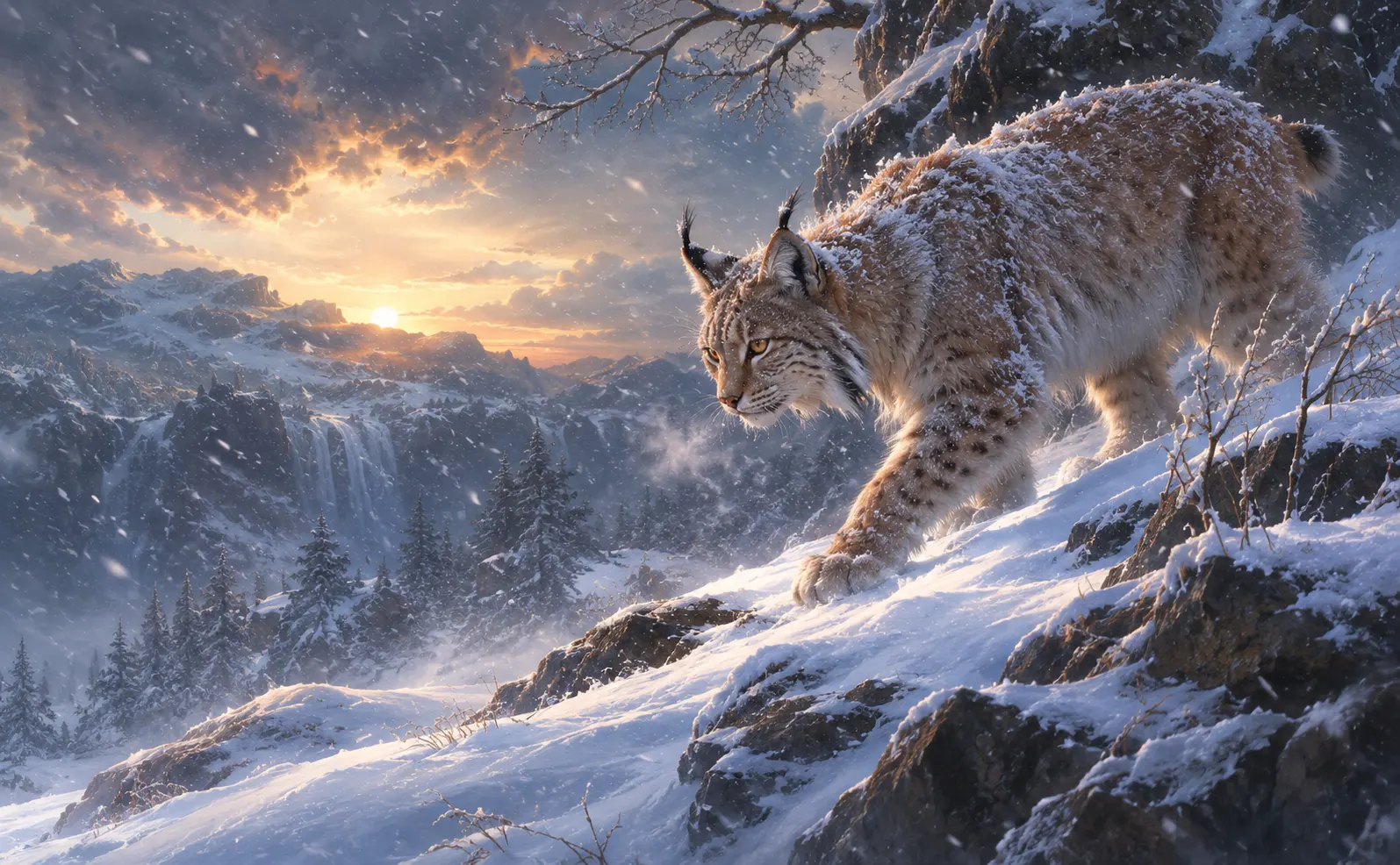
Poetry of Major Cold centers on the extreme cold at the year’s end and the spring already drawing near. Shao Yong’s “旧雪未及消,新雪又拥户” writes the depth of accumulated snow during Major Cold; Yuan Zhen’s “腊酒自盈樽,金炉兽炭温” writes the warmth of gathering around the brazier at year’s end. Poets write of hens beginning to brood, birds of prey becoming fierce and swift, and the waters freezing solid to their depths, recording through the three seasonal phases of Major Cold the final reaches of winter. Major Cold is the last stop among the twenty-four solar terms. On these coldest days, poets write: “大寒已过腊来时,万物那逃出入机.” When cold has reached its utmost limit, spring is already in view. Poetry of Major Cold is both the final chapter of winter and the prelude to spring.
Major Cold Poetry
大寒吟
Original Verse:
旧雪未及消,新雪又拥户。
阶前冻银床,檐头冰钟乳。
清日无光辉,烈风正号怒。
人口各有舌,言语不能吐。
Modern Translation:
The old snow has not yet had time to melt, and new snow has piled up again, blocking the doorway. The “silver bed” before the steps—the stone rim of the well—has frozen solid, while icicles hang from the eaves like stalactites. Even the clear sunlight has lost its radiance, and the fierce wind howls in anger. Everyone has a tongue in their mouth, yet the cold leaves them unable to speak.
Commentary:
Shao Yong takes Major Cold as the background of this poem and writes the severity of the cold to its utmost. The opening couplet, “旧雪未及消,新雪又拥户”, describes the continual accumulation of snow through the layering of new snow upon old snow that has not yet melted, while “拥户”, “crowding against the door,” gives the concrete image of snow sealing the entrance. The second couplet, “阶前冻银床”, writes the well railing frozen solid, while “檐头冰钟乳” describes icicles hanging beneath the eaves like stalactites. One image is “silver,” the other “ice,” together conveying the texture of the frozen world. The third couplet, “清日无光辉”, says that even though the sun shines in a clear sky, it gives no brilliance—the sun of Major Cold appears, yet provides little warmth; “烈风正号怒” describes the violent winter wind howling as though in rage. The final couplet, “人口各有舌,言语不能吐”, says that everyone has a tongue, yet the extreme cold freezes them so thoroughly that they cannot speak. Through exaggeration, the line expresses a cold so severe that even words themselves seem impossible to utter. The poem advances layer by layer, from snow to ice, from sun to wind, and from things to human beings, exhausting every dimension of the “cold” in Major Cold.
大寒
Original Verse:
大寒雪未消,闭户不能出。
可怜切云冠,局此容膝室。
吾车适已悬,吾驭久罢叱。
拂麈取一编,相对辄终日。
Modern Translation:
During Major Cold, the snow has not yet melted, and I remain indoors behind closed doors, unable to go out. How pitiful that the lofty Qieyun cap, emblem of a high-minded identity, should be confined within this tiny room scarcely large enough to stretch one’s knees. My carriage has already been set aside, and I have long ceased calling to the horses. Brushing the dust from my whisk, I take down a volume and spend the entire day facing it.
Commentary:
Lu You takes Major Cold as his background and writes of the secluded life of reading behind closed doors in extreme weather. “大寒雪未消,闭户不能出” describes the ordinary state of Major Cold: accumulated snow has not melted, and one remains inside, unable to leave. “可怜切云冠” uses the “Qieyun cap,” a tall cap, to stand for his identity and aspirations. The word “可怜”, “pitiful,” reveals the frustration of lofty ideals confined within a small room, while “局此容膝室” says he can only remain cramped in a chamber barely large enough to contain his knees. The contrast between the “Qieyun cap” and the “room that barely holds the knees” creates a sharp disparity between space and ambition. “吾车适已悬” writes that the carriage has been set aside, while “吾驭久罢叱” says that the duties of driving horses have long ceased, suggesting that his official path has ended and his carriage stands unused. The final line, “拂麈取一编,相对辄终日”, turns to brushing away dust, taking up a book, and spending the entire day facing it. Within the extreme cold of Major Cold, reading becomes his only consolation and steadfast refuge. While writing the cold of the season, the poem also reveals the spiritual state of an aging scholar who remains all the firmer in adversity.
大寒
Original Verse:
大寒节气到,风雪满山川。
冻雀栖檐角,寒梅映窗前。
炉火温新酒,衾裘覆旧毡。
欲知春意近,墙角绿先传。
Modern Translation:
Major Cold has arrived, and wind and snow fill the mountains and rivers. Frozen sparrows perch beneath the eaves, while winter plum blossoms cast their sparse shadows before the window. The fire in the brazier warms freshly brewed wine, and quilts and fur garments lie over the old felt. If you wish to know that spring is drawing near, look to the corner of the wall, where the first green shoots have already brought the news.
Commentary:
Wen Tong sets this poem against Major Cold and allows the message of spring to emerge within a severe winter landscape. “大寒节气到,风雪满山川” uses broad strokes to write the magnificent sight of wind and snow filling mountains and rivers during Major Cold. The second couplet, “冻雀栖檐角”, gives the still image of frozen sparrows beneath the eaves, while “寒梅映窗前” writes plum blossoms reflected before the window. One is high at the eaves, the other lower before the window; one is an animal, the other a plant, together forming the outdoor scene of a Major Cold day. The third couplet, “炉火温新酒”, writes the warmth of wine heated over an indoor fire, while “衾裘覆旧毡” describes the thick quilts, fur garments, and old felt prepared against the cold. The final couplet, “欲知春意近,墙角绿先传”, says that if one wishes to know that spring is drawing near, the green shoots at the foot of the wall have already brought the news. Major Cold is one of the coldest periods of the year, but it is also the final of the twenty-four solar terms and stands immediately before the Beginning of Spring. The appearance of green shoots at the wall therefore foretells spring’s approach. The poem writes “warmth” within “cold” and “spring” within “winter,” bringing its beginning and ending into harmony.
大寒
Original Verse:
大寒天气雪漫漫,闭户深居学闭关。
炉火红时温旧酒,梅花白处对青山。
消磨岁月惟书卷,检点心情只道闲。
莫笑山翁无伴侣,寒禽相对亦开颜。
Modern Translation:
During Major Cold, snow stretches endlessly beneath the sky. I shut the door and remain deep within my dwelling, imitating the seclusion of one in retreat. When the brazier glows red, I warm old wine; where the plum blossoms shine white, they face the distant green mountains. Only books remain to pass the years, and when I examine my state of mind, there is only one word: “leisure.” Do not laugh that this old man of the mountains has no companion; even facing the winter birds is enough to make me smile.
Commentary:
Yuan Hongdao sets this poem against Major Cold and writes of the quiet pleasure of staying indoors in a mountain dwelling. “大寒天气雪漫漫” writes the endless snow filling the sky, while “闭户深居学闭关” describes remaining behind closed doors and imitating the “retreat” of a practitioner. The second couplet, “炉火红时温旧酒”, writes the warmth of old wine heated beside a glowing red fire, while “梅花白处对青山” describes white plum blossoms facing distant green mountains. Red—the fire—and white—the plum blossoms; warmth—the wine—and cold—the snow—form strong contrasts of color and temperature. The third couplet, “消磨岁月惟书卷”, says that only books can pass the years, while “检点心情只道闲” examines the heart and finds only the single word “闲”, “leisure.” This “leisure” does not mean having nothing to do, but a state of freedom in which the mind is unburdened. The final couplet, “莫笑山翁无伴侣,寒禽相对亦开颜”, says not to laugh at the old mountain man for having no companion, for even facing the winter birds can make him smile. Within the extreme cold of Major Cold, the poem writes a transcendent contentment in one’s own company and reflects the Gong’an School ideal of “expressing the individual spirit directly.”
大寒
Original Verse:
大寒冰冱水,深谷已无樵。
雪积千山静,风鸣万壑遥。
裘轻知岁晚,酒熟乐冬宵。
且喜巡檐处,梅花已暗消。
Modern Translation:
During Major Cold, the waters have frozen into solid ice, and no woodcutters can be seen in the deep valleys. Snow lies across a thousand mountains in complete stillness, while the wind sounds through ten thousand ravines, its voice carrying far into the distance. The softness of the fur garments tells that the year is already late; the wine has matured, bringing pleasure to the winter night. Most delightful of all, while walking beneath the eaves, I discover that the plum buds are already quietly swelling.
Commentary:
Cao Yin takes Major Cold as his background and writes the stillness of winter together with the plum blossom quietly announcing spring. “大寒冰冱水” says that the waters have frozen into solid ice, while “深谷已无樵” writes that no woodcutters remain in the deep valleys: in the severe cold, people have withdrawn and all things are sealed away. The second couplet, “雪积千山静”, writes the complete stillness of a thousand mountains after snow has accumulated, while “风鸣万壑遥” describes the wind sounding through deep ravines and carrying into the distance. One is still, the other moving, together creating the soundscape of the mountains on a Major Cold day. The third couplet, “裘轻知岁晚”, writes of the light softness of fur garments and the awareness that the year is drawing to its end, while “酒熟乐冬宵” writes of matured wine and the pleasure of a warm winter evening. The final couplet, “且喜巡檐处,梅花已暗消”, turns on a note of delight: while walking beneath the eaves, the poet discovers that the plum buds are already quietly swelling. Here “暗消” does not mean “to wither,” but refers to “消长”, the hidden process of waxing and waning, indicating that the plum buds are secretly growing and already revealing the message of spring. Within the severe cold and stillness of Major Cold, the poem closes on the single word “喜”, “joy,” expressing hope for the spring that waits at winter’s end.
大寒
Original Verse:
大寒人事静,深坐对空山。
雪落千峰白,云归万壑闲。
炉香温旧梦,灯影照孤颜。
岁尽春将至,何须叹鬓斑。
Modern Translation:
During Major Cold, human affairs have fallen still. I sit deep indoors, facing the empty mountains. Snow falls, whitening a thousand peaks; clouds return, leaving ten thousand ravines in quiet repose. Incense from the brazier warms old dreams, while lamplight illuminates a solitary face. The year is ending and spring is about to arrive—why should I lament that my temples have turned gray?
Commentary:
Han Biao takes Major Cold as the background of this poem and writes of meditative stillness and openness of spirit in the depths of winter. “大寒人事静” immediately establishes the quiet state of the season, when people are rarely seen and worldly affairs seem to have fallen still, while “深坐对空山” describes the poet sitting quietly indoors and facing the empty mountains. The single character “对”, “to face,” establishes a relationship of dialogue between person and mountain: though no words are spoken, there is a meeting of spirit. The second couplet, “雪落千峰白”, writes the pure whiteness of a thousand snow-covered peaks, while “云归万壑闲” describes clouds returning into the ravines, leaving them in stillness. One falls, the other returns, bringing together motion and repose in the natural world of Major Cold. The third couplet, “炉香温旧梦”, writes the curling incense from the brazier warming dreams of the past, while “灯影照孤颜” describes lamplight falling upon a solitary face. The final couplet, “岁尽春将至,何须叹鬓斑”, says that the year is ending and spring is about to arrive, so why lament the grayness of one’s temples? Major Cold is the last of the twenty-four solar terms and stands immediately before the Beginning of Spring. At the year’s end, the poet sees the hope of spring’s arrival and closes with a rhetorical question, expressing an open-minded refusal to dwell on aging. Throughout the poem’s extreme stillness and cold runs a sense of clarity and transcendence.
—-
Readers’ Comments
Calendar and traditional culture enthusiasts from around the world, sharing the same moon.
Sign in or register to join the conversation. Your comment account is created automatically the first time you use a connected account.
No comments yet
Share your thoughts with readers around the world.