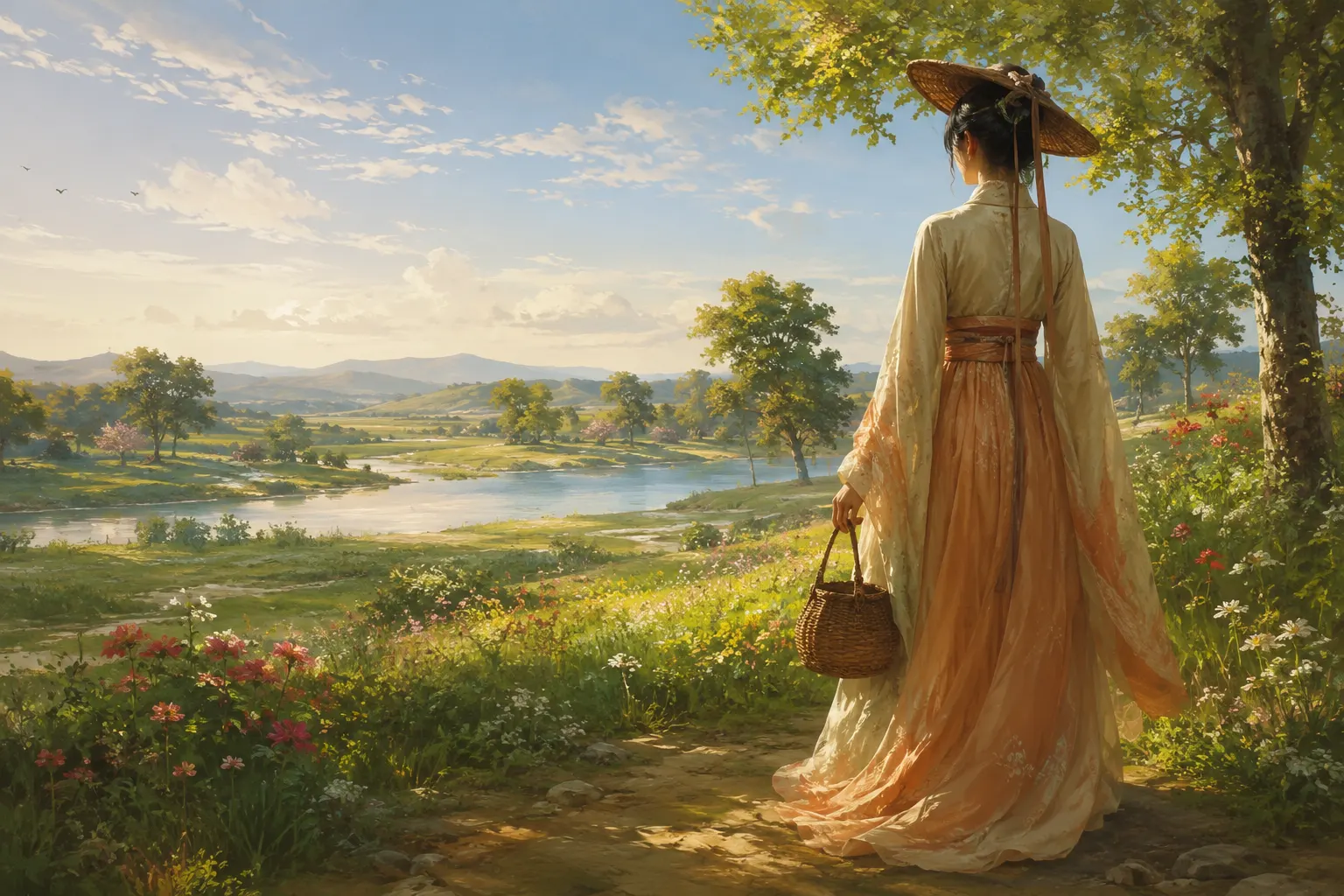
Beginning of Summer
「小荷才露尖尖角,早有蜻蜓立上头。」
Temperatures rise noticeably across most of China, with daily averages generally exceeding 20°C. North China reaches around 20–25°C, while Jiangnan and South China reach 25–28°C. In some places, temperatures above 35°C begin to appear, offering the first clear signs of summer heat.
Rainfall continues to increase nationwide. Jiangnan and South China enter a rainy period, and the early flood season in South China reaches its height with frequent heavy rainfall. Precipitation in North and Northwest China remains relatively low, and spring drought may continue into early-summer drought.
蝼蝈, a type of frog, begins calling along fields and watersides, signaling the formal arrival of summer’s liveliness and energy. Frog calls become the dominant sound of summer nights.
As soil temperatures rise and moisture increases, earthworms emerge from underground and become active on the surface. This serves as a phenological sign of significantly warmer soil and also suggests increasingly active soil fertility.
The vines of 王瓜, a climbing plant in the Trichosanthes genus, begin to grow and climb rapidly, becoming one of the most characteristic vine-growth signs of the Beginning of Summer period.
Solar-Term Farming
Farm with the Seasons · Work with Nature
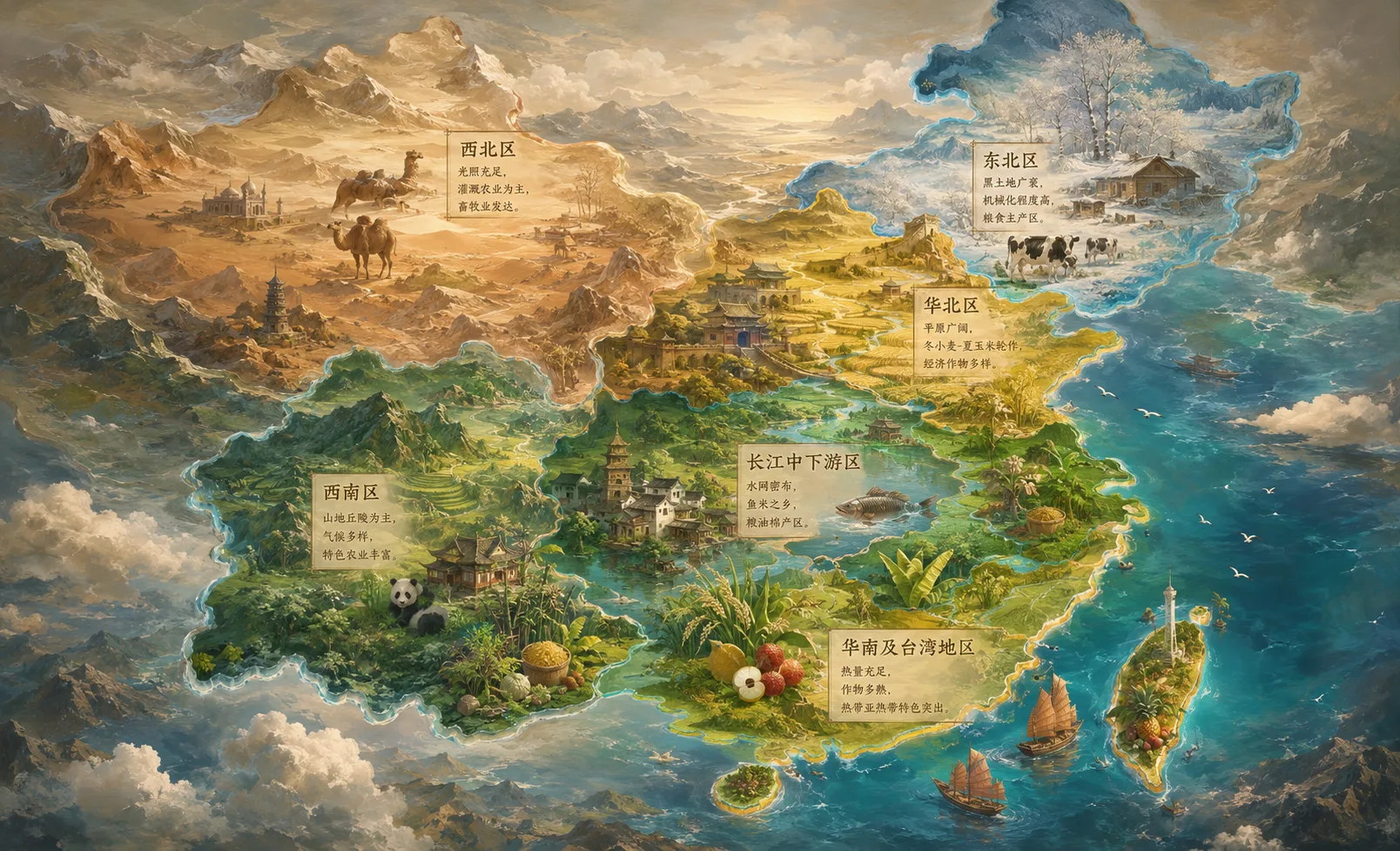
Northeast China
Farming Focus for This Solar Term
Spring maize, soybeans, and other field crops enter the seedling-mana…
Farming Advice
- Complete autumn tillage pro…
- Service farm machinery and …
Northwest China
Farming Focus for This Solar Term
Winter wheat enters the grain-filling stage, spring wheat jointing an…
Farming Advice
- Roll winter wheat fields to…
- Apply winter irrigation in …
North China
Farming Focus for This Solar Term
Winter wheat on the Huang–Huai–Hai Plain enters the critical grain-fi…
Farming Advice
- Control excessive winter-wh…
- Clear drainage ditches in r…
Middle and Lower Yangtze
Farming Focus for This Solar Term
Early rice enters its peak tillering period, rapeseed enters harvest,…
Farming Advice
- Plough promptly after the l…
- Clear drainage ditches in r…
Southwest China
Farming Focus for This Solar Term
Rice transplanting in the Sichuan Basin approaches completion, wheat …
Farming Advice
- Check winter-wheat emergenc…
- Top-dress rapeseed seedling…
South China & Taiwan (China)
Farming Focus for This Solar Term
Early rice enters the booting stage, lychee reaches the critical stag…
Farming Advice
- Harvest late rice during cl…
- Fertilise and earth up suga…
Seasonal Delicacies
Eat with the Seasons · Nothing Out of Season
Seasonal Tastes · A Guide to Eating with the Seasons
Traditional Customs
When Rites Fade, Seek Them Among the People · Old Ways Still Endure
Seasonal Rites · Everyday Traditions
Solar-Term Poetry
Poetry · The Heart of Heaven and Earth
「立夏」
四时天气促相催,一夜薰风带暑来。
陇亩日长蒸翠麦,园林雨过熟黄梅。
莺啼春去愁千缕,蝶恋花残恨几回。
睡起南窗情思倦,闲看槐荫满亭台。
Modern Translation
The weather of the four seasons turns in succession, urging time onward; in a single night, the warm southern breeze brings the first heat. The days lengthen over the fields, where green wheat seems to rise in the warmth; in the gardens, yellow plums ripen after the rain. Orioles cry as though burdened with endless sorrow at spring’s departure, while butterflies linger around fading flowers as though grieving its return no more. Waking from an afternoon nap beside the south window, my thoughts feel languid; I idly watch the deep shade of scholar trees spread across the terraces and pavilions.
In-Depth Commentary
This regulated verse gives a full and delicate account of both the seasonal signs and the emotional atmosphere of Beginning of Summer. The opening “四时天气促相催” conveys the urgency of time as the seasons press one another onward, while “一夜薰风带暑来” captures the swiftness of seasonal change—as though spring wind became summer wind overnight. The second couplet, “陇亩日长蒸翠麦,园林雨过熟黄梅”, turns to field and garden. The character “蒸” gives dynamic force to the green wheat growing vigorously beneath the sun, while “熟” describes the yellow plums becoming full and ripe after rain. The third couplet uses “莺啼” and “蝶恋” to express sorrow at spring’s departure, giving human feeling to birds and butterflies. The final couplet, “睡起南窗情思倦,闲看槐荫满亭台”, brings the poet himself into the scene. After Beginning of Summer, the days grow longer and the mind too becomes languid; the character “闲” conveys a peaceful state of mind that follows the season and quietly accepts early summer.
Readers’ Comments
Calendar and traditional culture enthusiasts from around the world, sharing the same moon.
Sign in or register to join the conversation. Your comment account is created automatically the first time you use a connected account.
No comments yet
Share your thoughts with readers around the world.