Zhangha
Shuochang (Storytelling & Singing) 傣族Status and Significance of Zhangha
Zhangha is the most representative traditional narrative singing art of the Dai people. The term refers both to the genre itself and to the singers who perform it.
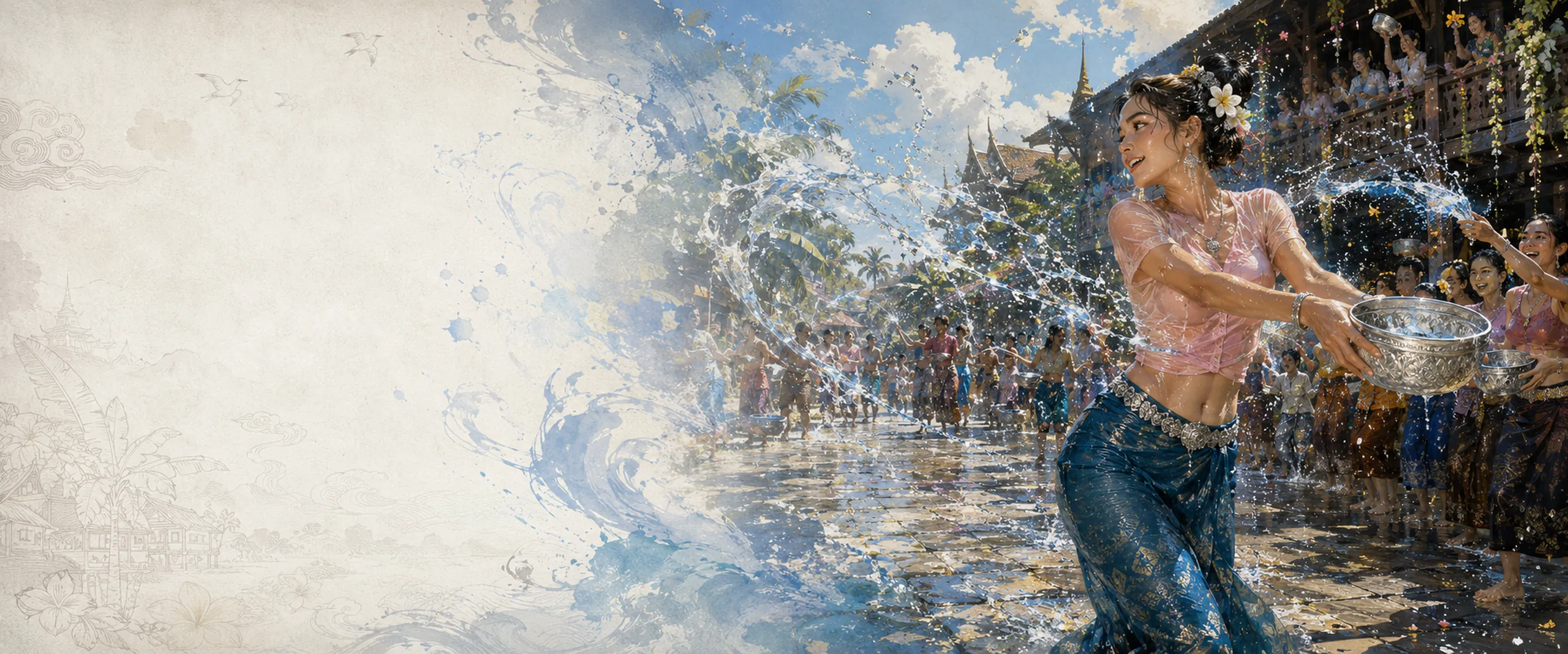
Dai people compare Zhangha to “the indispensable salt of everyday life” and to “flowers overflowing with fragrance.” A Water-Splashing Festival without Zhangha, they say, would be as bland as a meal without salt.
Zhangha originated in Dai folk labor songs and, as social divisions of labor developed, gradually gave rise to groups of professional performers. Its lyrics include improvised compositions, formulaic blessing and prayer songs, as well as long narrative songs preserved in fixed texts.
In 2006, Dai Zhangha was included in the first group of China’s national-level intangible cultural heritage listings.
Artistic Characteristics of Zhangha
A Zhangha performance generally involves one singer and one accompanist. The singer holds a small fan, partly covering the face, and chants or sings softly, preserving a distinctly ancient manner.
Its melodies are steady and gentle, closely following the tonal contours of the Dai language. The singing is graceful, flowing, and unmistakably Dai in character.
Zhangha lyrics are rhymed and possess a rhythmic beauty specific to Dai-language verse. Their full musical flavor cannot be reproduced in another language.
The art is traditionally passed down primarily through oral teaching and direct personal transmission. Senior performers teach younger generations the lyrics, melodies, and techniques of performance.
Classic Zhangha Passages for the Water-Splashing Festival
《澜沧江水唱起歌》
“澜沧江水唱起歌,各族同胞和谐共庆泼水节,相互传递祝福与吉祥。”
《凤尾竹跳起了舞》
“凤尾竹跳起了舞,我们用最清甜的泉水泼向长辈,祝福他们健康长寿;我们用最真诚的笑脸迎接客人,祝福大家吉祥如意。”
《新农村》
“听吧!如今的农村新貌不同往日,农民金银满袋稻谷满仓,盖起一座座新楼,家家户户住进了新楼房。听吧!乡村公路通天下,柏油马路通到家,村民致富游四海,幸福花儿落傣乡。”
《快乐的泼水节》
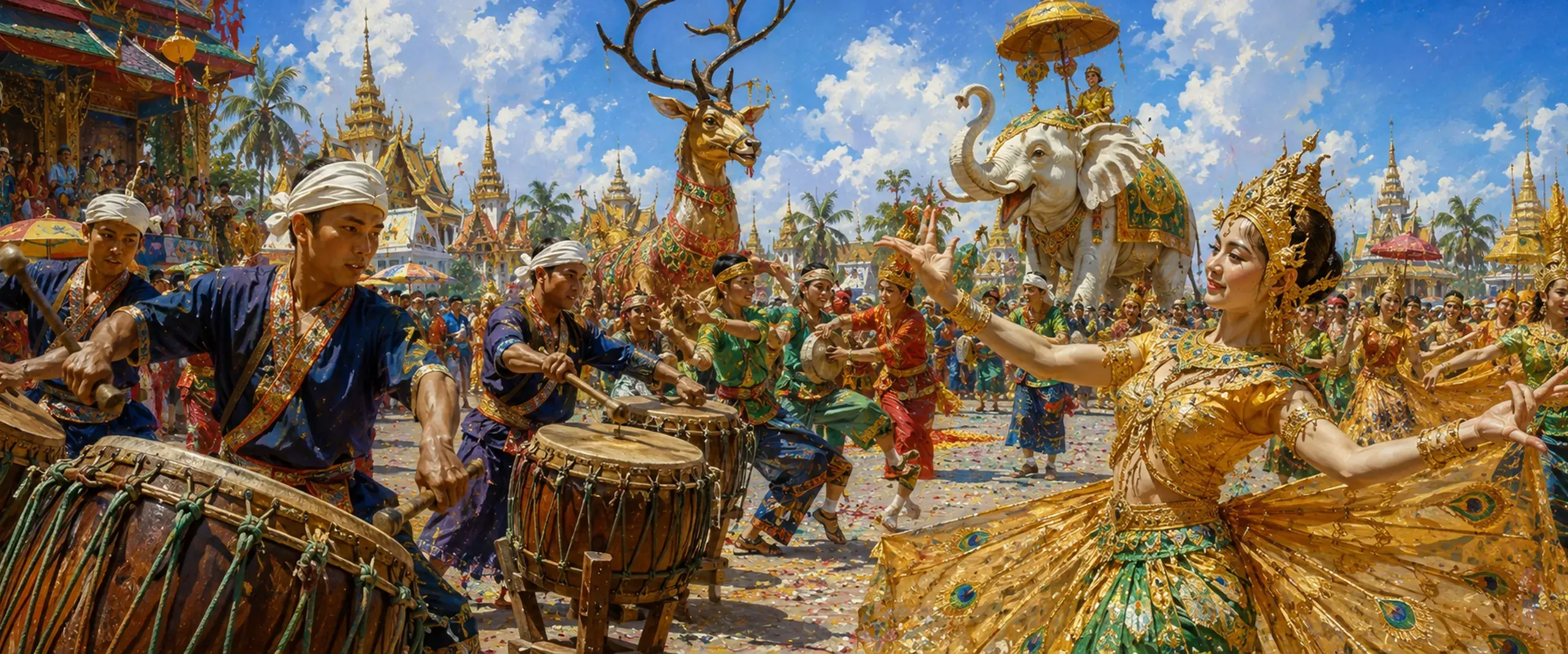
“泼水节来了,乡亲们换上节日的盛装,敲起象脚鼓、跳起依拉贺,迎接新年的到来。清澈的水啊,带来了佛祖的祝福,洗去旧年的尘埃,迎接吉祥的新岁。”
During the Water-Splashing Festival, Zhangha performances also include works specially created for the occasion, such as 《欢歌泼水黎明时》, 《泼水欢歌》, and 《欣欣向荣的傣乡》.
Readers’ Comments
Calendar and traditional culture enthusiasts from around the world, sharing the same moon.
Sign in or register to join the conversation. Your comment account is created automatically the first time you use a connected account.
No comments yet
Share your thoughts with readers around the world.